


Animal Mimicry Sorting
$4.50
Mimicry in animals occurs when one animal resembles or behaves like another species to disguise itself. This adaptation can be highly beneficial, helping the mimicking animal avoid predators or access food it might not otherwise reach.
This set includes 6 examples of animal mimicry. Classify each animal as a model or a mimic. Then, verify the classification using the control charts.
Includes:
- 12 animal cards
- 6 information cards
- 2 control charts (one with labels, one without)
The animal cards are in a three-part format:
- 12 cards with labels
- 12 cards without labels
- 12 labels
One set of cards has the animal's name; the second set has the name along with a biological or physical trait (harmless, poisonous, etc.).
To use these three-part cards, match the labels to their corresponding pictures. Use the labeled control cards to verify the matches.
Cards are approx. 3¼" x 3½".
This file is in PDF format.
Related Items
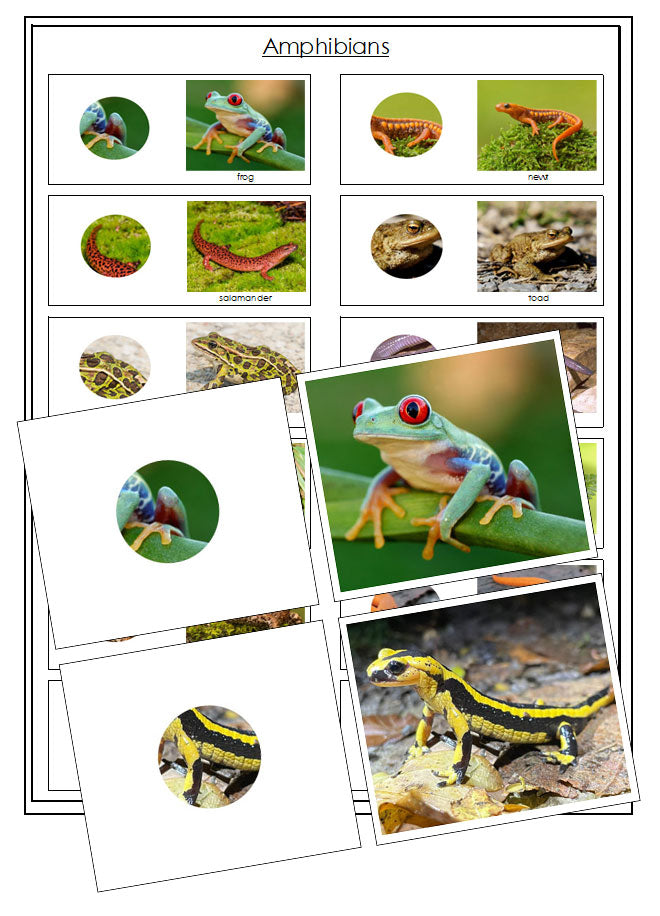
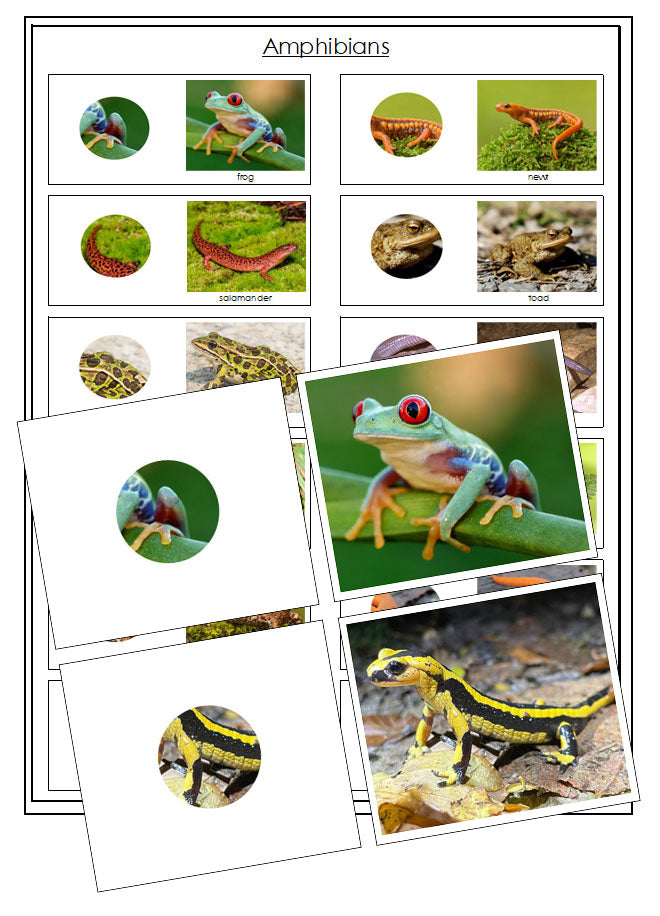
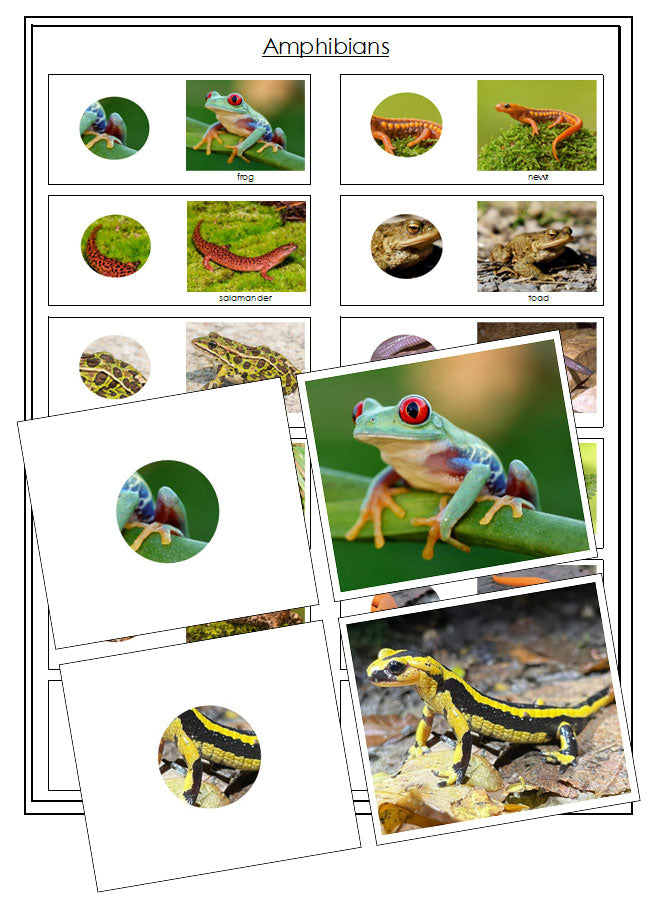
Amphibians Part-to-Whole Matching
$3.75
Connecting parts to the whole encourages children to examine amphibians closely and better understand their characteristics by matching a small...


Animal Activity Sorting (Nocturnal & Diurnal)
$4.50
Studying nocturnal and diurnal animals helps children develop an understanding of animal behavior, classification, and adaptation, while also building observation...


Animal Activity Sorting (Nocturnal & Diurnal) - Cut & Paste
$2.75
Studying nocturnal and diurnal animals helps children develop an understanding of animal behavior, classification, and adaptation, while also building observation...


