


Birds and Their Beaks Matching
$4.00
Studying bird beaks reveals critical insights into evolution, ecology, and environmental adaptation, as their diverse shapes are finely tuned to specific diets, foraging behaviors, and habitats.
The specific shape (e.g., hooked for tearing, long/slender for nectar, thick for seed-cracking) directly correlates to a bird's food source and ecological niche, reflecting millions of years of adaptation.
This set includes 12 birds, each accompanied by a description of its beak and function.
The birds are in a three-part format:
- 12 cards with labels
- 12 cards without labels
- 12 labels
To use three-part cards, match the labels to the corresponding pictures. Verify the matches using the control cards with the labels.
The descriptions are in a three-part format:
- 12 description cards
- 12 fill-in-the-blank cards
- 12 fill-in-the-blank labels
This set also includes:
- 1 control chart
Cards are approx. 3½" x 3½".
This file is in PDF format.
Related Items
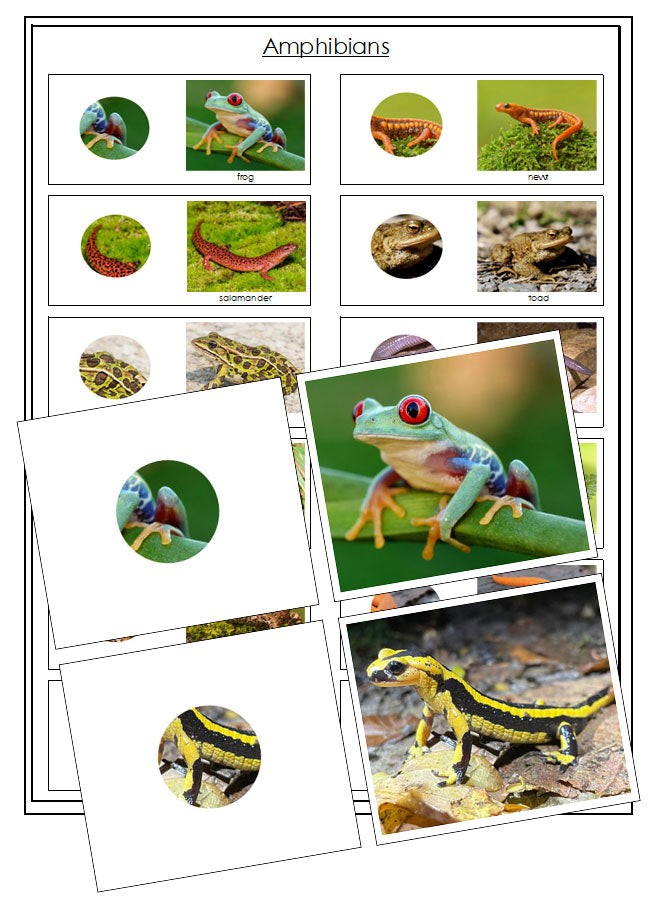
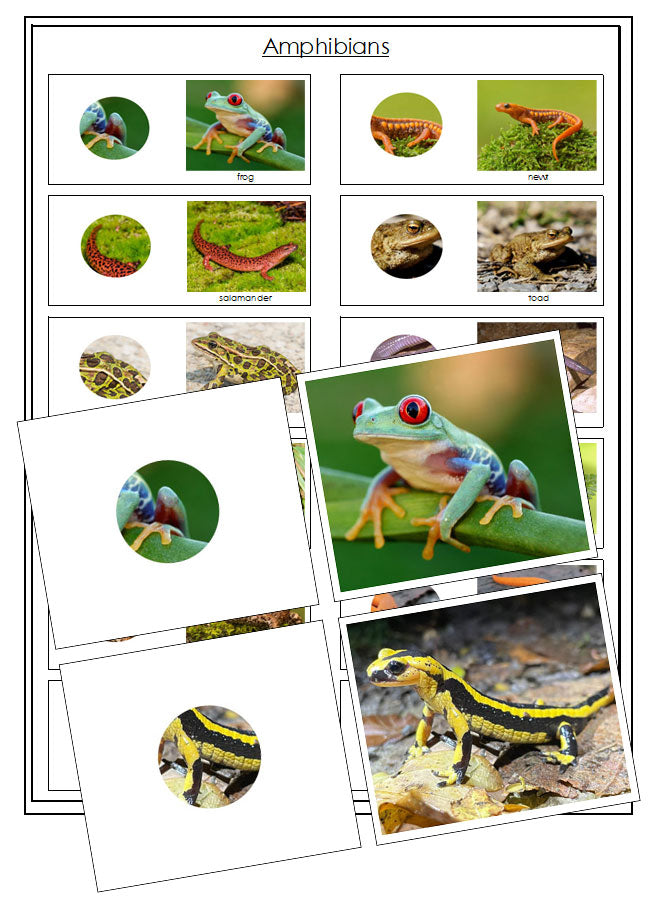
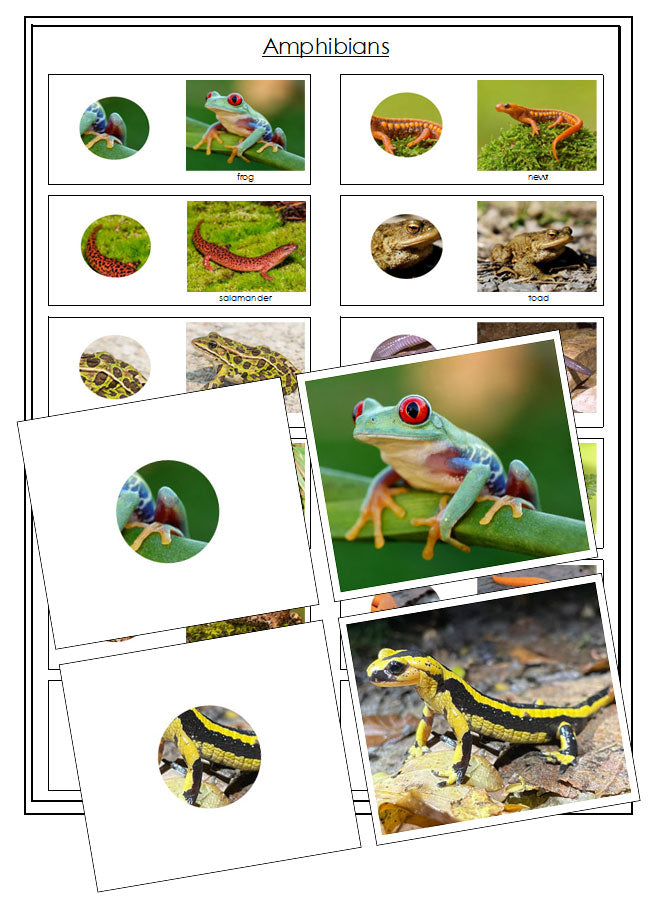
Amphibians Part-to-Whole Matching
$4.00
Connecting parts to the whole encourages children to examine amphibians thoroughly and better understand their characteristics as they relate a...


Animal Activity Sorting (Nocturnal & Diurnal)
$4.00
Studying nocturnal and diurnal animals helps children develop an understanding of animal behavior, classification, and adaptation, while also fostering observation...


Animal Activity Sorting (Nocturnal & Diurnal) - Cut & Paste
$3.00
Studying nocturnal and diurnal animals helps children develop an understanding of animal behavior, classification, and adaptation, while also fostering observation...


